A simple tea ceremony can be understood as a structured sequence of actions that invites attention to preparation, presentation, and the shared moment of serving tea. The approach described here is not tied to a single tradition but rather outlines a basic framework that may be adapted to different settings, whether at home or in a dedicated tea space. The emphasis is on method and process rather than on specific outcomes, and the sequence can be adjusted according to the number of guests, the type of tea, and the available utensils.
In Belgium, tea culture has grown alongside coffee culture, and many people appreciate a calm, methodical approach to preparing and serving tea. Theehuis Serenity, as a tea house, provides a context where such a ceremony can be observed and practiced in a quiet environment. This guide is intended for those who wish to explore a simple ceremony sequence without the need for specialized equipment or extensive training. Each step is presented as a general guideline, and variations are expected depending on individual preferences and circumstances.
The instructions below cover utensil arrangement, warming the bowl, whisking, and serving tea to guests. These stages form a logical progression that helps maintain order and focus during the ceremony. While the sequence is presented in a linear fashion, it is not a rigid prescription; rather, it serves as a reference point for those who are new to the practice or who wish to refine their approach. The goal is to provide a clear and practical overview that can be adapted to different contexts.
Preparing the Space and Arranging Utensils
Before the ceremony begins, it is helpful to prepare the space and arrange the utensils in a way that supports a smooth flow of actions. The room or area should be clean, uncluttered, and free from distractions. A stable surface, such as a table or a tray, is typically used as the working area, and it should be positioned so that the host can move comfortably around it. Lighting may be adjusted to a comfortable level, and any unnecessary items should be removed to create a sense of order.
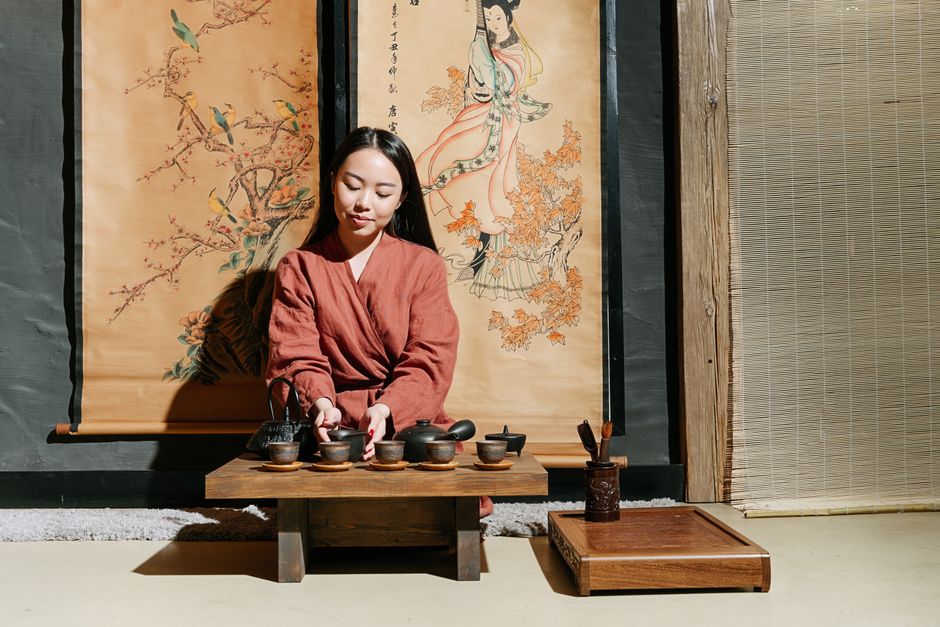
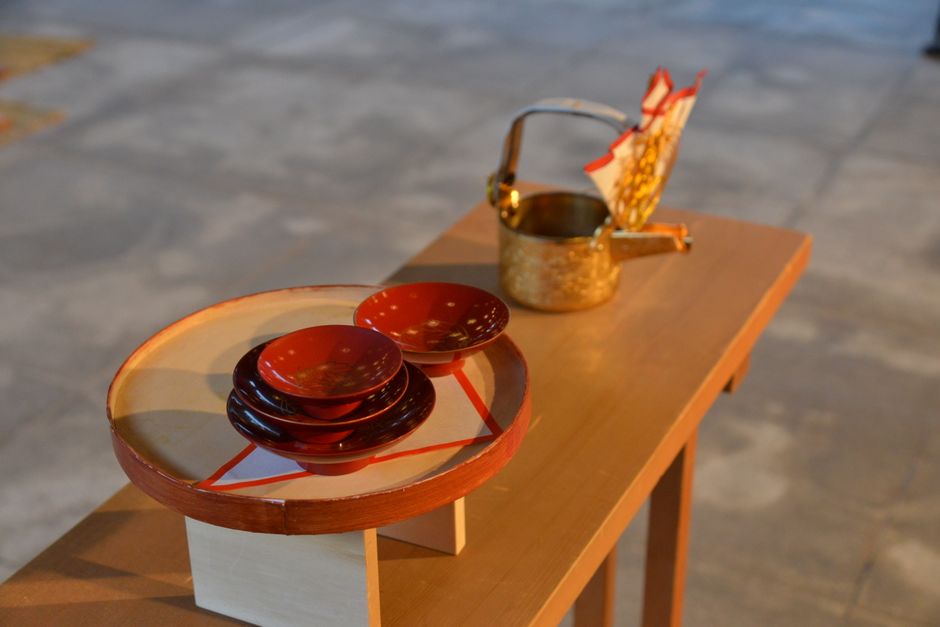
The utensils for a simple tea ceremony generally include a tea bowl, a whisk (if using matcha or powdered tea), a tea scoop, a tea caddy, a kettle for hot water, and a cloth for cleaning. The arrangement of these items can follow a consistent pattern: the tea caddy and scoop on one side, the bowl and whisk in the center, and the kettle within easy reach. This layout allows the host to perform each step without excessive movement or reaching. It is also common to place a small tray or a cloth under the utensils to protect the surface and to define the working area.
When arranging the utensils, consider the perspective of the guests. Items that will be used first may be placed closer to the host, while those used later can be positioned further away. The tea bowl, being central to the ceremony, is usually placed in a prominent position. If multiple bowls are used, they can be arranged in a row or stacked according to local custom. The key is to ensure that each item has a designated place and that the arrangement remains consistent throughout the ceremony. Theehuis Serenity often emphasizes the importance of a well-organized setup as a foundation for a calm and focused experience.
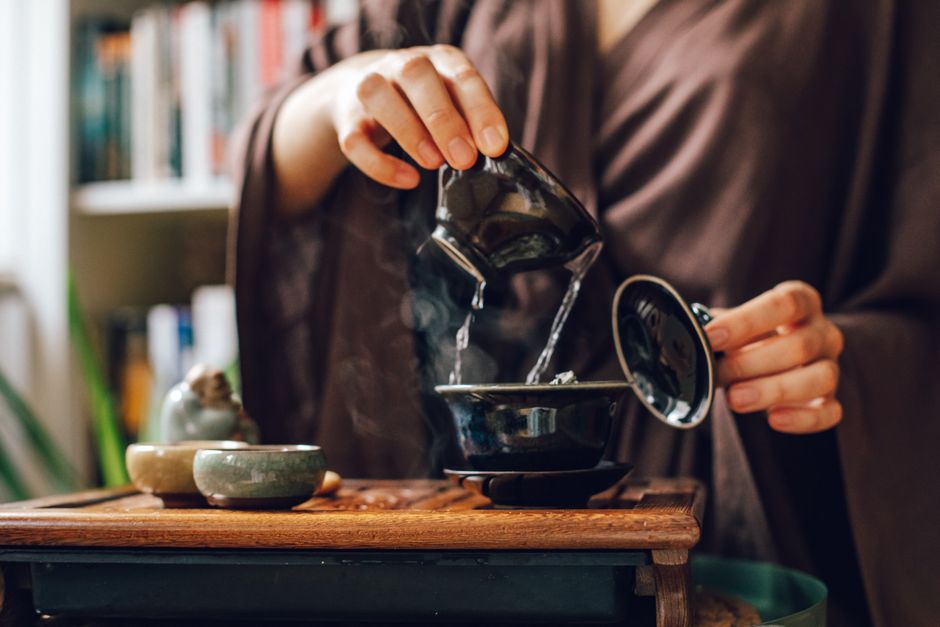
In addition to the utensils, it is useful to have a source of hot water ready. The water temperature may vary depending on the type of tea, but for many ceremonies, water that has just come to a boil is allowed to cool slightly before use. A small pitcher or a kettle with a spout is convenient for pouring water into the bowl. Some hosts also prepare a waste bowl for discarding water used to warm the bowl. All these elements contribute to a coherent arrangement that supports the sequence of actions.
Warming the Bowl and Preparing the Tea
Warming the bowl is a step that serves both practical and ceremonial purposes. Practically, it helps to maintain the temperature of the tea during whisking and serving. Ceremonially, it signals the beginning of the preparation and allows the host to focus attention on the task at hand. To warm the bowl, hot water is poured into it, filling it about one-third to one-half full. The bowl is then gently rotated so that the water coats the interior surface, and the water is subsequently discarded into the waste bowl or another container.
After warming, the bowl is dried with a clean cloth. The cloth may be folded in a specific manner to facilitate handling, and the drying motion is typically gentle and deliberate. This step also provides an opportunity to inspect the bowl for any residue or imperfections. The whisk, if used, may be rinsed in hot water and then checked for any loose bristles. The tea scoop and caddy are also positioned for easy access. These preparations are not merely functional; they also help to establish a rhythm that carries through the rest of the ceremony.
The amount of tea used depends on the type of tea and the size of the bowl. For powdered tea, a common ratio is one to two scoops per bowl, but this can vary. The tea is placed in the warmed bowl, and any lumps are gently broken up with the scoop or the whisk. If using loose-leaf tea, the leaves are placed in the bowl or a teapot, and hot water is added. In either case, the focus is on measured and deliberate actions. Theehuis Serenity suggests that hosts take a moment to observe the tea before adding water, allowing for a brief pause that can enhance the sense of occasion.
Water is then added to the bowl. For powdered tea, the water should be hot but not boiling, typically around 80°C to 90°C. The water is poured slowly and carefully, aiming for the center of the bowl. The amount of water is usually about one-third to one-half of the bowl’s capacity, depending on the desired consistency. For loose-leaf tea, the water is poured over the leaves and allowed to steep for a specified time. The host may use a timer or rely on experience to judge the steeping duration. In both cases, the process is observed with attention, and any adjustments are made as needed.
Whisking and Achieving Consistency
Whisking is a central action in the preparation of powdered tea, and it requires a steady hand and a consistent motion. The whisk is held with a firm but relaxed grip, and the wrist is used to move the whisk in a back-and-forth or circular motion. The goal is to break up any clumps and to create a smooth, frothy texture. The motion should be brisk but controlled, and the whisk should not scrape against the bottom of the bowl excessively. The duration of whisking varies, but typically it continues until a fine foam appears on the surface.
During whisking, the host may adjust the angle of the whisk or the speed of the motion to achieve the desired result. If the tea is too thick, a small amount of hot water can be added and whisking continued. If the foam is uneven, the whisk may be moved in a slightly different pattern. These adjustments are made based on observation and experience rather than strict rules. The process is not about achieving perfection but about engaging with the tea and the tools in a mindful manner. Theehuis Serenity often notes that the sound of the whisk and the appearance of the tea can serve as feedback for the host.
For loose-leaf tea, the concept of whisking does not apply, but a similar principle of agitation may be used. For example, the tea may be stirred with a spoon or a small whisk to enhance extraction. In some ceremonies, the teapot is gently swirled to mix the leaves and water. The key is to ensure that the tea is well combined and that the flavors are evenly distributed. After whisking or stirring, the tea is allowed to settle for a moment before serving. This brief pause allows any remaining foam or leaves to stabilize and makes pouring easier.
It is important to note that the consistency of the tea is a matter of personal preference and context. Some guests may prefer a thicker tea, while others may prefer a lighter one. The host can adjust the amount of tea and water accordingly. In a simple ceremony, flexibility is acceptable, and the host may communicate with guests about their preferences beforehand. The whisking step is thus not a fixed procedure but a responsive one that takes into account the specific conditions of the moment.
Serving Tea to Guests
Serving tea is the culmination of the preparation and an opportunity to share the result with guests. The bowl is typically held with both hands, with the dominant hand supporting the side and the other hand supporting the base. The bowl is then presented to the guest, who may receive it with both hands. The host may bow slightly or offer a few words of welcome. The guest may rotate the bowl slightly before drinking, a gesture that can be seen as a sign of respect or appreciation. These gestures are not mandatory but are common in many tea traditions.
When serving multiple guests, the host may prepare each bowl individually or prepare a larger batch and serve it in individual cups. In a simple ceremony, it is common to serve one bowl at a time, allowing each guest to receive personal attention. The host may also prepare a bowl for themselves and join the guests. The order of serving can follow a clockwise or counterclockwise direction, or it may be based on seating arrangement. The host should ensure that each guest receives a bowl that is clean and properly prepared. Theehuis Serenity emphasizes that the serving process should be unhurried and attentive to the guests’ comfort.
After serving, the host may remain seated or stand, depending on the setting. It is customary to observe the guests as they drink, but not to stare. Conversation may be light or silent, depending on the atmosphere. The host may also offer a brief explanation of the tea or the ceremony, if appropriate. The goal is to create a pleasant and respectful environment where guests can enjoy the tea at their own pace. Any leftovers or used utensils are typically cleared away after the guests have finished, and the host may clean the utensils as part of the closing of the ceremony.
In summary, serving tea is not merely about handing a bowl to a guest; it is about completing a sequence of actions that began with preparation. The host’s demeanor and attention to detail can contribute to a sense of calm and hospitality. Theehuis Serenity, as a tea house, provides a setting where such ceremonies can be experienced, and the principles outlined here can be adapted to various contexts. The ceremony is a flexible framework that can be adjusted to different groups, spaces, and tea types, and its success depends on many factors, including the host’s preparation and the guests’ engagement.
“The simple tea ceremony is less about strict rules and more about the quality of attention brought to each step.”
This guide has outlined a basic sequence for a simple tea ceremony, covering utensil arrangement, warming the bowl, whisking, and serving. Each step has been presented as a general guideline rather than a prescription, and variations are expected. The information is intended to support those who wish to explore tea ceremony as a practice of mindfulness and hospitality. As with any skill, experience and observation play a significant role, and the approach described here can serve as a starting point for further exploration.