Method

Learn how this blog organizes brewing guides and ceremony instructions into clear, repeatable steps that readers can practice at home.

About Our Editorial Approach

Theehuis Serenity maintains a blog dedicated to tea varieties and ceremony traditions. Our editorial approach focuses on structuring brewing and ceremony material into sequential, repeatable steps that readers can follow at home. We present each process as a clear series of actions, emphasizing methodology and context rather than outcomes. This format allows readers to understand the components of brewing and ceremony in a structured way, with information organized to support practice and observation. The blog does not promise specific results, as experiences depend on multiple factors including ingredients, equipment, and individual conditions. Our aim is to provide a transparent framework for exploring tea culture.
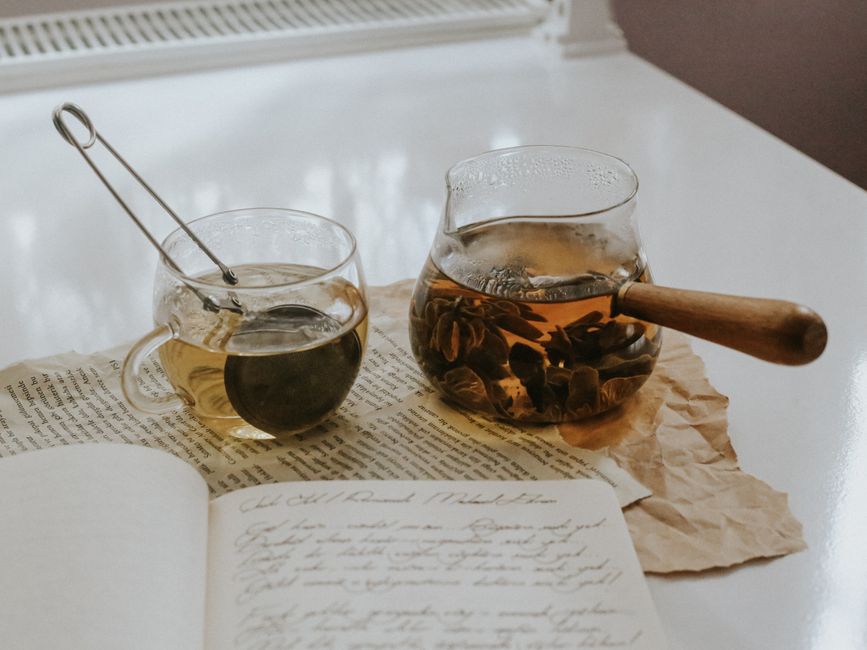
A warm tea scene with a glass cup, teapot, and open journal, evoking cozy indoor vibes.

How Our Guides Are Structured

  1. Preparation

    We outline necessary tools, water temperature, and tea leaf quantity for your chosen tea.

  2. Initial Steps

    The first infusions are described with precise timing and pouring techniques for consistent practice.

  3. Ceremony Sequence

    Each movement and step of the ceremony is presented in order, with context for its purpose.

  4. Reflection and Adjustments

    We suggest how to observe outcomes and make adjustments based on your specific conditions.

How Our Brewing and Ceremony Guides Are Organized

At Theehuis Serenity, brewing and ceremony guidance follows a consistent, structured format. Each article presents methods in clear, ordered steps—covering leaf-to-water ratios, temperatures, and timing—so readers can repeat practices at home. We emphasize transparent descriptions of structure and sequence, rather than expected outcomes, and note how factors such as water quality, teaware, and environment can influence results. This approach supports clarity, allows comparison across teas, and helps beginners practice with greater awareness of contextual variables. All guidance is educational and does not replace individual judgment or professional advice.

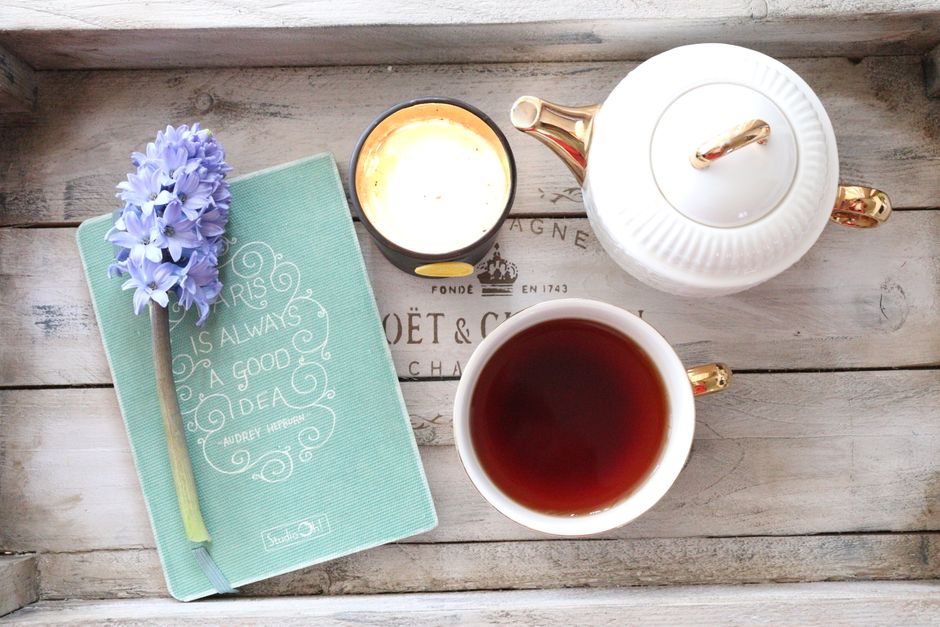
Charming flat lay of tea, notebook, candle, and flower on rustic table.

How Brewing Guides and Ceremony Instructions Are Structured

Brewing guides on this blog are grouped by tea type, with each section starting from a short overview of the leaf style and common preparation contexts. Recipes then follow a fixed sequence: water temperature range, leaf-to-water ratio, vessel suggestions, and infusion times noted as adjustable intervals. Ceremony instructions are separated into preparatory steps, movement and placement sequences, and closing actions. Where relevant, cross-references link a recipe to a matching ceremony format. Readers can interpret each stage as a conditional outline: parameters may be adapted to locally available equipment, climate, and prior familiarity with the method. Notes indicate where variation is expected, encouraging readers to repeat steps and compare observations rather than follow a single fixed path.

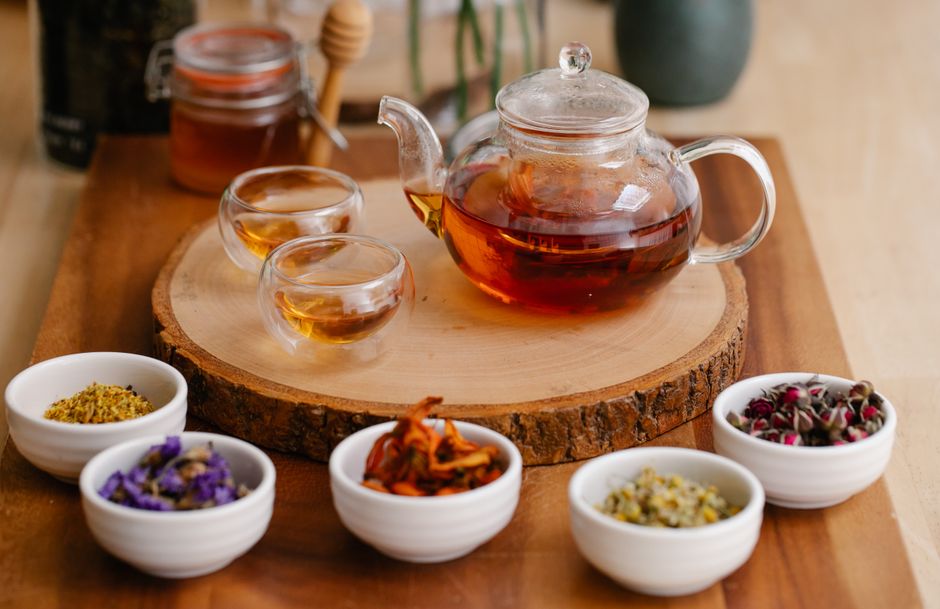
Glass teapot and cups with herbal infusions, fresh herbs, and honey dippers on a wooden tray.

About Our Structured Approach

Theehuis Serenity organizes brewing guides and ceremony instructions into clear, repeatable steps that readers can follow and practice at home. Each guide outlines methods, tools, and sequence in a structured format, so readers can understand how a practice is assembled before trying it. Since outcomes depend on multiple external factors, such as water, leaf quality, equipment, and setting, any described effects remain conditional and contextual. The material is informational and supports independent practice; it does not replace individual judgment or professional guidance for specific situations.